
"Nicaragua coffee regions"
1000 article(s) found

Introduction to the varieties of Coffee produced by the treatment method of the Grinding degree of Coffee in Joy Manor, Nicaragua
Nicaragua is now one of the poorest countries in Central America. Due to its poor economic foundation, the coffee industry is still relatively backward, while coffee farmers are in extreme poverty. Fortunately, Nicaraguan coffee has received some foreign aid funds to improve the quality of its coffee. Coffee from Madagelba, Sinodega and Segovia in Nicaragua

An introduction to the characteristics of Nicaraguan Coffee Flavor Manor
China Coffee Network Coffee is Nicaragua's main export product. According to the president of the Nicaraguan Coffee Farmers' Federation, due to the poor harvest of coffee in Nicaragua's Pacific region, the country's total coffee production in 1998 may be 12% lower than that in 1997. In the coffee year of 1997 and 1998, Nicaragua harvested 1.422 million bags of coffee (each bag of 46kg), which is the last 14 years of coffee.

Introduction of Nicaraguan coffee producing areas with rich mellow and fragrant flavor
Coffee is Nicaragua's main export. According to the president of the Nicaraguan Coffee Farmers' Federation, due to the poor harvest of coffee in Nicaragua's Pacific region, the country's total coffee production in 1998 may be 12% lower than that in 1997. In the coffee year of 1997 and 1998, Nicaragua harvested 1.422 million bags of coffee (each bag of 46kg), which has been producing 1% of coffee in the past 14 years.

Introduction of Nicaraguan Coffee beans with High temperature and Rain in the Eastern Plain
Coffee is Nicaragua's main export. According to the president of the Nicaraguan Coffee Farmers' Federation, due to the poor harvest of coffee in Nicaragua's Pacific region, the country's total coffee production in 1998 may be 12% lower than that in 1997. In the coffee year of 1997 and 1998, Nicaragua harvested 1.422 million bags of coffee (each bag of 46kg), which has been producing 1% of coffee in the past 14 years.

Introduction to the characteristics of coffee flavor and taste of bitter lemon manor in Nicaragua
Columbus arrived here in 1502 and reached the east coast of Nicaragua. In 1522, Spanish colonists began to conquer the region. The cities of Granada and Leon were founded in 1524. From then on, Nicaragua became a Spanish colony and came under the jurisdiction of the Governor's Office of Guatemala. The city of Leon developed into a political and cultural center; Granada became a commercial and agricultural center. In the later period of colonial rule

Taste of Nicaraguan Coffee introduced the characteristics of Nicaraguan Coffee in Manor production area
Coffee is Nicaragua's main export. According to the president of the Nicaraguan Coffee Farmers' Federation, due to the poor harvest of coffee in Nicaragua's Pacific region, the country's total coffee production in 1998 may be 12% lower than that in 1997. In the coffee year of 1997 and 1998, Nicaragua harvested 1.422 million bags of coffee (each bag of 46kg), which has been producing 1% of coffee in the past 14 years.

Introduction to the flavor of Nicaraguan coffee producing area Lemon Tree Manor in Matagalpa
Coffee is Nicaragua's main export. According to the president of the Nicaraguan Coffee Farmers' Federation, due to the poor harvest of coffee in Nicaragua's Pacific region, the country's total coffee production in 1998 may be 12% lower than that in 1997. In the coffee year of 1997 and 1998, Nicaragua harvested 1.422 million bags of coffee (each bag of 46kg), which has been producing 1% of coffee in the past 14 years.
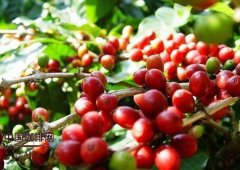
Four major producing areas of Nicaragua Coffee flavor Jim Molina Manor Honey treatment Red bourbon boutique list
Nicaragua is mainly divided into four major producing areas, namely, Bosnia and Herzegovina Sub-region (Segovias), Madaguelba / Henodeka region (Matagalpa/Jinotega), Borgo region (Boaco) and Pacific Coast region (Pacific). The highest planting height in Bosnia and Herzegovina is about 1500 2000, and the coffee produced is the highest SHG (Strictly High Grown).

Introduction of Nicaraguan Coffee Flavor introduction of boutique coffee beans in Nicaraguan coffee producing areas
Coffee is Nicaragua's main export. According to the president of the Nicaraguan Coffee Farmers' Federation, due to the poor harvest of coffee in Nicaragua's Pacific region, the country's total coffee production in 1998 may be 12% lower than that in 1997. In the coffee year of 1997 and 1998, Nicaragua harvested 1.422 million bags of coffee (each bag of 46kg), which has been producing 1% of coffee in the past 14 years.

Flavor and taste of Nicaraguan boutique coffee beans introduction to Nicaraguan coffee manor producing area
Coffee is Nicaragua's main export. According to the president of the Nicaraguan Coffee Farmers' Federation, due to the poor harvest of coffee in Nicaragua's Pacific region, the country's total coffee production in 1998 may be 12% lower than that in 1997. In the coffee year of 1997 and 1998, Nicaragua harvested 1.422 million bags of coffee (each bag of 46kg), which has been producing 1% of coffee in the past 14 years.

Introduction to the characteristics of manor flavor and taste in the main producing areas of Nicaraguan coffee
Coffee is Nicaragua's main export. According to the president of the Nicaraguan Coffee Farmers' Federation, due to the poor harvest of coffee in Nicaragua's Pacific region, the country's total coffee production in 1998 may be 12% lower than that in 1997. In the coffee year of 1997 and 1998, Nicaragua harvested 1.422 million bags of coffee (each bag of 46kg), which has been producing 1% of coffee in the past 14 years.

Rich aroma, smooth and meticulous taste of Nicaraguan Tianyi Manor Coffee
Columbus arrived here in 1502 and reached the east coast of Nicaragua. In 1522, Spanish colonists began to conquer the region. The cities of Granada and Leon were founded in 1524. From then on, Nicaragua became a Spanish colony and came under the jurisdiction of the Governor's Office of Guatemala. The city of Leon developed into a political and cultural center; Granada became a commercial and agricultural center. In the later period of colonial rule

Niagara Jinotega Sinotica Coffee region El Fuente Water Manor Story Information
Professional coffee knowledge exchange more coffee bean information please follow the coffee workshop (Wechat official account cafe_style) Nicaragua Water (El Fuente) Rosa Water Manor (El fuente) belongs to the Domingo family has a history of 150 years, can be said to be one of the oldest farms in Nicaragua, high altitude and dense forests

Flavor description of Nicaraguan Coffee beans introduction to the region of taste production of varieties with grinding scale
The flavor description method of Nicaraguan coffee beans grinding scale varieties taste production area introduction Nicaragua Nicaragua 2005 CoE (Cup of Excellence) competition winning coffee beans, that is, the competition prize coffee beans, the output is very small, relatively rare. The appearance is very neat, and there is no need to pick and choose. It is suggested that the baking method should be baked with beans around the middle and cinnamon baking with cinnamon roast.

Nicaraguan Coffee Flavor and Taste characteristics of Nicaraguan Coffee Bean
Coffee is Nicaragua's main export. According to the president of the Nicaraguan Coffee Farmers' Federation, due to the poor harvest of coffee in Nicaragua's Pacific region, the country's total coffee production in 1998 may be 12% lower than that in 1997. In the coffee year of 1997 and 1998, Nicaragua harvested 1.422 million bags of coffee (each bag of 46kg), which has been producing 1% of coffee in the past 14 years.

Madagerba Coffee Region Nicaragua Coffee Flavor Characteristics
Professional coffee knowledge exchange More coffee bean information Please pay attention to coffee workshop (Weixin Official Accounts cafe_style) Front Street-Nicaragua Coffee Introduction Central America is a land bridge connecting North and South America. There are seven countries, namely Belize, Costa Rica, El Salvador, Guatemala, Honduras, Nicaragua and Panama. Coffee is produced in seven Central American countries, including melons.

Introduction to the Regional treatment method of Grinding scale production of Coffee beans in lemon Manor in Nicaragua
In many countries, coffee production will be seriously affected for political reasons. Nicaraguan coffee industry is no exception. The 1979 revolution forced coffee planters to flee to Miami. A period of indecision followed, when the government considered whether to redistribute land (including many plantations), which led to a shortage of coffee and a decline in production since the early 1970s

Classification, price, raw beans and roasting degree of high-quality coffee beans in Storm Manor of Nicaragua
For the exchange of professional baristas, please follow the coffee workshop (Wechat official account cafe_style) La Tormenta FRANCISCO IRENE OLIVERA Maragogype Natural country: Nicaragua production area: Francesco altitude: 1400-1450m harvest time: December to March of the following year: sun treatment varieties: elephant bean treatment plant: storm manor flavor: pineapple,

Introduction to the Historical Flavor and Flavor of Madriz Madriz Coffee in four Coffee producing areas of Nicaragua
For more information on coffee beans, please follow the coffee workshop (official Wechat account cafe_style) Nicaragua is mainly divided into four major producing areas, namely, Bosnia and Herzegovina (Segovias), Madaguelba / Senodka (Matagalpa/Jinotega), Borgo (Boaco) and Pacific Coast (Pacific). The planting height is the highest in Bosnia and Herzegovina.

The flavor and taste of Nicaraguan boutique coffee beans the manor area introduces the characteristics of Nicaraguan coffee.
Coffee is Nicaragua's main export. According to the president of the Nicaraguan Coffee Farmers' Federation, due to the poor harvest of coffee in Nicaragua's Pacific region, the country's total coffee production in 1998 may be 12% lower than that in 1997. In the coffee year of 1997 and 1998, Nicaragua harvested 1.422 million bags of coffee (each bag of 46kg), which has been producing 1% of coffee in the past 14 years.